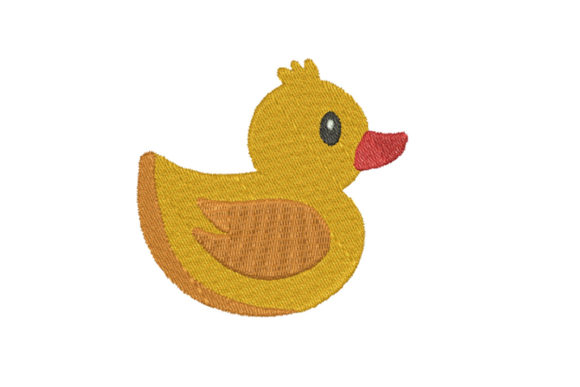
Duck Toy for Kid: A Designer Review for Small Business Merch
As an experienced embroidery designer who has spent years refining designs for commercial use, I often receive requests to evaluate new digital assets before they are deployed on branded merchandise. Today, I am reviewing the Duck Toy for Kid, a design described as cheerful and fun, specifically intended for children's apparel like swimsuits, towels, bathrobes, and pajamas. While the product description suggests a domestic or retail focus, my perspective is strictly from the standpoint of small business owners, Etsy sellers, and merch creators looking to elevate their brand identity through custom apparel.
First Impressions: Personality and Brand Alignment
The title Duck Toy for Kid immediately signals a playful, approachable, and friendly aesthetic. In the world of brand identity, this design does not scream corporate rigidity; instead, it exudes a sense of warmth and nostalgia. For a boutique bakery, a creative studio, or a handmade shop, this visual personality is invaluable. It suggests a brand that cares about joy and childhood memories. The description notes that the design is "cute," which translates well to high-engagement products where emotional connection drives sales.
However, when transitioning from a decorative element to a core design asset for a business, we must look beyond the initial cuteness. Does it feel premium? Yes, if executed correctly with proper thread colors and stitch density. Is it professional? Absolutely, provided the stitch density is balanced so the duck does not pucker the fabric. This design feels like a versatile tool that can serve as a mascot, a logo accent, or a standalone statement piece for small business merch.
Real-World Application: From Patches to Aprons
The true value of Duck Toy for Kid lies in its adaptability across various touchpoints of a customer journey. Imagine a local café or a florist wanting to create a cohesive brand experience. Instead of a generic logo, they could utilize this design as a chest logo accent on staff aprons. The whimsical nature of the duck softens the uniform, making staff appear more approachable to customers.
- Embroidered Patches: For pet brands or toy stores, converting this into an embroidered patch allows for a rugged, vintage look on denim jackets or canvas tote bags. It serves as a collectible item that increases perceived value.
- Cap Embroidery: The rounded shape of a duck fits naturally on the front panel of a cap. It offers a unique alternative to standard text-only caps, helping your team stand out at craft fairs or pop-up events.
- Tote Bag Design: As a tote bag design, this motif is perfect for eco-conscious businesses. It transforms a simple canvas bag into a marketing vehicle that customers are proud to carry around town.
- Apron Embroidery: For bakeries or crafters, placing this on the bib of an apron adds a personal touch. It turns a functional work garment into a branded experience.
This versatility makes the Duck Toy for Kid an excellent choice for commercial embroidery projects where consistency across different products is key. Whether it is used on a child's swimsuit or a parent's work shirt, the design maintains its charm while reinforcing the brand's message of fun and quality.
Strategic Considerations and Potential Pitfalls
While the potential is high, every embroidery file comes with technical challenges that must be managed to ensure a finished product that looks professional. There are specific scenarios where Duck Toy for Kid requires careful execution.
One critical area is size reduction. If you plan to use this as a tiny detail on a hat or a small label, the intricate details might get lost or cause the fabric to bunch up. Always test the design at its smallest intended scale before committing to a bulk order. Similarly, curved surfaces like caps require a digitizing technique that accounts for the curvature; otherwise, the duck may look distorted.
Fabric texture also plays a major role. While the design works beautifully on smooth cottons like those found in pajamas or towels, textured fabrics can hide the definition of the stitches. On dark uniforms, the thread colors need to be bright enough to pop without requiring excessive underlay that could stiffen the garment. Additionally, items that undergo frequent washing, such as swimwear or kitchen aprons, demand high-quality stabilizers and durable threads to prevent fading or unraveling over time.
Impact on Customer Trust and Product Value
In the competitive landscape of online marketplaces like Etsy, the quality of your handmade product presentation directly influences buyer engagement. A well-executed Duck Toy for Kid design signals attention to detail. Customers associate crisp, clean embroidery with reliability and trustworthiness. When a client sees a perfectly stitched duck on a branded tote or a custom towel, it elevates the perceived value of the entire product line.
Conversely, poor execution can damage credibility. Loose threads, puckering, or incorrect color choices can make a brand look amateurish. Therefore, treating this design as a serious design asset rather than just a decoration is crucial. By ensuring the Duck Toy for Kid meets high standards, you reinforce your commitment to quality, which fosters long-term customer loyalty.
Practical Designer Notes for Production
Before integrating Duck Toy for Kid into your production workflow, follow these essential steps to guarantee success:
- Test in Black and White: Create a monochrome version first to check the balance of light and dark areas. This ensures the design remains legible regardless of the thread colors chosen.
- Review Stitch Density: Inspect the center of the design. High stitch density is necessary for durability but can cause issues on thin fabrics. Adjust if needed.
- Check Thread Color Contrast: Ensure the selected thread colors provide enough contrast against the base fabric to make the duck visible and vibrant.
- Confirm Hoop Size: Verify that the hoop size accommodates the full design without cutting off any elements. You do not want to stitch a partial duck by accident.
- Use Proper Stabilizer: Select the correct stabilizer (cut-away, tear-away, or water-soluble) based on the fabric type to prevent shifting and distortion.
- Create a Printable Mockup: Before stitching, generate a printable mockup to show clients or stakeholders how the final product will look. This step is vital for client approval.
- Compare Against Other Assets: Place the design beside your existing logo or other design assets to ensure visual consistency in style and weight.
- Verify Commercial Licensing: Most importantly, confirm the commercial licensing terms of the digital embroidery file. Ensure you have the right to sell products featuring this design.
By following these guidelines, you can transform the Duck Toy for Kid from a simple pattern into a powerful branding tool. Whether you are creating custom apparel for a new startup or adding flair to your existing inventory, this design offers a delightful opportunity to connect with your audience on a deeper level.
Remember that the category "Bed" and the product type "Embroidery" provide context, but the real magic happens when you apply this design to dynamic business needs. With the right preparation and a keen eye for detail, Duck Toy for Kid can become a signature element of your brand's visual language, driving recognition and delight for years to come.