Greek Helmet Embroidery Review for Market Sellers
As an experienced embroidery designer who spends weekends prepping for craft fairs and managing a busy handmade shop, I know that the difference between a product that sits on a table and one that sells out is often in the details. When I first opened the Greek Helmet design file to test it for my upcoming booth display, I wasn't just looking at a digital image; I was visualizing how it would look stitched onto a canvas tote bag or centered on a linen apron. This review breaks down exactly why this machine embroidery design is a strong contender for your next collection of craft fair products.
First Impressions: Bold History Meets Modern Craft
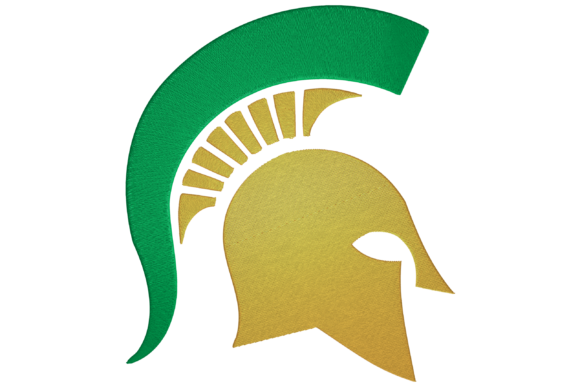
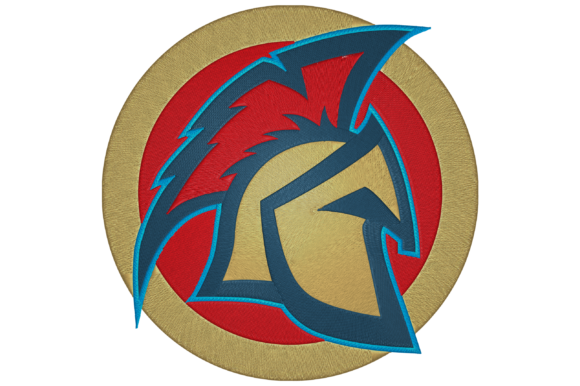
The moment you see the Greek Helmet design, the vibe is immediately distinct. It feels neither overly cute nor strictly rustic; instead, it strikes a balance between elegant and bold. In the world of military themed items, this design stands out because it leans into historical appreciation rather than modern tactical gear. For a boutique maker or an Etsy seller, this aesthetic is gold.
When I imagine this design on a finished product, it commands attention without shouting. The lines appear clean enough to work as a small accent on a cap brim or substantial enough to serve as the focal point on a large pillow cover. It has a premium feel that elevates the perceived value of any item it adorns. Whether you are creating a handmade product for a history enthusiast or a unique gift for a teacher, the Greek Helmet design brings a sense of timelessness that resonates with customers looking for quality over mass-produced novelty.
Product Versatility: Where This Design Shines
One of the biggest challenges for a creative entrepreneur is finding designs that can be applied across multiple categories. The Greek Helmet design proves to be incredibly versatile. Here is how I envision it performing on specific items for a weekend market:
- Tote Bags and Market Bags: A classic application. The design works beautifully as a central motif on a sturdy canvas tote. Because the helmet shape is symmetrical, it anchors the bag perfectly. It looks great in earth tones like olive, navy, or terracotta thread colors against natural canvas.
- Apron Embroidery: For the culinary or gardening crowd, placing the Greek Helmet on the bib of an apron adds a touch of sophistication. It transforms a utilitarian kitchen tool into a conversation starter.
- Tea Towel Embroidery: Linen or cotton tea towels are high-margin items. This design allows for a single, crisp placement that doesn't overwhelm the fabric texture. It photographs exceptionally well for online listings.
- Embroidered Patches: If you offer detachable patches, this design is ideal. The bold outlines translate well when stitched onto felt or denim patches, allowing customers to add them to their own jackets or bags.
- Caps and Fabric Pouches: On a curved cap surface, the design needs to be balanced carefully, but the Greek Helmet holds its shape well. For small pouches or pencil cases, it serves as a perfect decorative element that fits within standard hoop sizes.
Production Reality: What Sells at the Booth
From a production standpoint, the Greek Helmet design offers practical advantages for batch making. At a craft fair, speed and consistency are key. The design appears to have a logical flow of stitches, which means it should run efficiently through the machine without excessive trimming. This efficiency allows you to produce a larger inventory of small shop products before the event.
Photography is another critical factor. The Greek Helmet has strong geometric elements that read clearly in photos. When you upload these images to your Etsy listing or social media, the design will not get lost in the background. It creates a sharp contrast that draws the eye immediately. Furthermore, the design feels repeatable. You can create variations by changing the thread colors or adjusting the size slightly while maintaining the integrity of the original art.
Visual Appeal and Customer Engagement
Why does this design drive sales? It taps into a desire for uniqueness. Customers at craft fairs are often tired of generic prints; they want something that feels handcrafted and intentional. The Greek Helmet design signals that you put thought into your brand. It suggests a level of commercial embroidery expertise that builds trust with the buyer.
When displayed on a table alongside other goods, a row of tote bags featuring this design creates a cohesive visual wall. This brand consistency makes your booth look professional and organized. It invites customers to stop, lean in, and ask questions about the history behind the symbol, turning a simple transaction into an engaging interaction.
Crucial Designer Notes for Production Success
While the potential is high, every embroidery file requires careful handling to ensure the final result matches the vision. Before you start mass-producing items for sale, consider these essential steps:
- Test on Scrap Fabric: Always run a test stitch on a scrap piece of the actual fabric you plan to use. Different fabrics react differently to tension and stabilizer requirements.
- Check Stitch Density: Pay close attention to areas where the helmet crest or visor might have dense stitching. If the density is too high, it could cause puckering on lighter fabrics like linen tea towels.
- Select the Right Stabilizer: Depending on whether you are embroidering on a thick towel or a thin cap, the choice of stabilizer is vital. Use cut-away stabilizers for stretchy materials and tear-away for stable wovens to maintain the crispness of the Greek Helmet outline.
- Hoop Size and Spacing: Confirm the recommended hoop size for the design. Ensuring proper spacing prevents the design from being cut off or distorted during the stitching process.
- Fabric Texture Considerations: Be mindful of textured towels or dark fabrics. Dark fabrics may require a top stabilizer or a specific underlay technique to make the thread colors pop and prevent the design from sinking into the weave.
- Create Real Mockups: Don't rely solely on digital mockups. Create at least one physical sample to photograph. Real-world lighting reveals issues that screens often hide.
- Commercial Licensing: Before selling finished products, double-check the licensing terms included with your digital embroidery file. Ensure you have the rights to sell items made with the Greek Helmet design commercially.
Final Verdict for the Creative Entrepreneur
The Greek Helmet design is more than just a graphic; it is a strategic asset for your business. It bridges the gap between historical interest and modern home decor, making it a safe yet exciting addition to your catalog. Whether you are a seasoned veteran of the craft fair circuit or a new Etsy seller looking to expand your offerings, this design provides the structure needed to create high-quality, desirable goods.
By focusing on the right fabric choices, testing your setups, and presenting the design professionally, you can turn this embroidery design into a best-seller. It captures the essence of craftsmanship and offers a visual story that customers love to support. Get your hoops ready, select your best threads, and prepare to showcase a design that truly stands out in a crowded market.