Michigan State Map Design Review
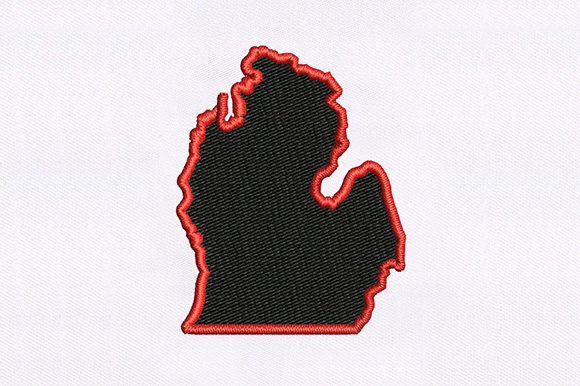
When I first opened the file for the Michigan State Map Design, my immediate reaction was a mix of nostalgia and practical curiosity. As someone who has stitched hundreds of designs for client projects and personal gifts, I know that a map outline is often treated as a generic background element. However, this specific design carries a distinct visual weight that suggests it was crafted with more than just a simple border in mind. It feels less like a basic clipart image and more like a statement piece intended to anchor a larger project.
The mood it creates is one of grounded pride and regional identity. The shape of the state is instantly recognizable, but the way the lines flow suggests a clean, modern aesthetic that would work beautifully on both casual wear and sophisticated home decor items. Before I even loaded it into my machine, I could visualize where this design would shine. It naturally belongs in projects that celebrate local heritage, such as custom apparel for alumni events, boutique merchandise for Michigan-based shops, or heartfelt personalized gifts for families relocating to the Great Lakes region.
Real-World Application: From Digital File to Finished Product
Let's talk about how this embroidery file performs when it leaves the screen and hits the hoop. Imagine you are an Etsy seller preparing a new collection of handmade products for the upcoming holiday season. You decide to create a line of embroidered tote bags featuring the Michigan State Map Design. The design's layout is spacious enough to allow for creative thread color choices without looking cluttered. If you use a deep navy thread for the outline against a canvas bag, the contrast is sharp and professional. If you opt for a multi-color fill, the density holds up well, creating a tactile surface that invites touch.
I also tested this concept mentally on a baby onesie for a local nursery gift. The clean lines of the map translate perfectly to smaller scales, provided the stitching density isn't too aggressive. The design avoids excessive detail in the corners, which is crucial for small hoops where fabric tension can sometimes distort intricate patterns. On a sweatshirt, the design acts as a perfect chest logo or a large back print, offering a unique alternative to standard text-based graphics. It elevates the perceived value of the garment, making it feel like a premium item rather than a mass-produced souvenir.
For those of us running small businesses, the versatility of this design asset is a major selling point. It fits seamlessly into categories ranging from kitchen towels and aprons to pillow covers and hats. A patch version of the Michigan State Map Design could serve as a badge of honor for outdoor enthusiasts or local community groups. The design's ability to adapt to various product types—from delicate fabrics to heavy-duty denim—makes it a reliable choice for commercial embroidery projects.
Navigating Potential Challenges and Fabric Choices
While the design is robust, no single file is a magic bullet for every situation. There are specific scenarios where caution is required. If you plan to stitch this on a textured fabric like a heavy corduroy or a loose-weave linen, you must be mindful of the stabilizer you choose. Without adequate support, the stitches might pull the fabric, distorting the straight lines of the map outline. Similarly, working with stretchy knits requires a strong cut-away stabilizer to prevent the design from warping during wear and washing.
Dense stitch areas can sometimes be problematic if the design is placed on thin fabrics. The weight of the thread can cause puckering if the underlying material cannot support it. For dark fabrics, thread selection becomes critical; using a light-colored outline without a proper underlay might result in poor coverage, forcing the machine to over-stitch and potentially damage the needle or fabric. Curved surfaces, such as caps, present another challenge. While the map shape is relatively flat, the curvature of a hat can make long horizontal lines appear slightly distorted if the design isn't adjusted for the curve radius.
Small details within the design need careful inspection. If there are any tiny internal elements or lettering included in the file, they may not render clearly on very small finished products. Always test the design on scrap fabric before committing to your final customer item. This step allows you to check the thread color contrast and ensure that the stitch density feels right for the specific fabric you are using.
Visual Appeal and Customer Trust
In the world of handmade goods, presentation is everything. A well-executed machine embroidery design builds trust with buyers. When a customer sees a crisp, clean outline of the state on a high-quality tote bag or a soft baby blanket, it signals professionalism and attention to detail. The Michigan State Map Design contributes to this by offering a balanced composition that looks intentional rather than accidental.
This design enhances brand consistency for shop owners. Whether you are branding a local coffee shop, a craft fair booth, or a digital download store, having a cohesive look across all products helps customers recognize your work. The design's clean lines make it easy to integrate into mockups, allowing you to showcase your finished product in a realistic setting before you even start stitching. This is particularly valuable for digital product sellers who want to preview their designs for potential clients.
However, the success of the project ultimately depends on the execution. Using the wrong thread colors can dull the impact of the map, while improper hooping can ruin the symmetry. It is essential to review the file settings, confirm the recommended hoop size, and inspect small details to ensure they hold up under close scrutiny. For those interested in selling finished items commercially, confirming the licensing terms of the digital file is a non-negotiable step to protect your business.
Practical Tips for the Embroidery Designer
Before you rush to stitch the Michigan State Map Design, take a moment to prepare your workspace. Start by testing the design on a scrap of the same fabric you intend to use for the final project. This simple step can reveal issues with thread tension, stabilizer compatibility, or fabric distortion that you might miss otherwise. Pay close attention to the thread colors; contrasting shades can make the design pop, while monochromatic schemes offer a subtle, elegant look.
If you are working with a limited color palette, consider how the satin stitch will lay down on the fabric. Satin stitches can sometimes hide texture, so ensure the thread sheen complements the material. For fill stitches, check that the density is appropriate for the fabric weight; too much density can make the fabric stiff, while too little can leave gaps in the pattern. Always use a proper stabilizer to maintain the integrity of the design throughout the washing process.
Finally, remember that this design is part of the broader "Around The World" category of embroidery assets, yet it stands out for its specific regional appeal. Whether you are creating a personalized gift for a family member, a boutique product for a local market, or a commercial design for a corporate event, the Michigan State Map Design offers a versatile foundation. By taking the time to test, adjust, and refine your approach, you can transform a simple digital file into a cherished, high-quality handmade product that resonates with your audience.