Snowman Ski Fall: A Designer's Real-World Review
As a professional designer who spends countless hours testing digital assets before they ever hit the hoop, I approach every new file with a mix of excitement and skepticism. The market is flooded with generic holiday graphics, but finding a machine embroidery design that balances cuteness with technical feasibility is a rare find. Today, I am putting the Snowman Ski Fall design through its paces to see if it truly belongs in your studio or if it should remain in the "maybe" folder.
The First Impression: Mood and Visual Personality
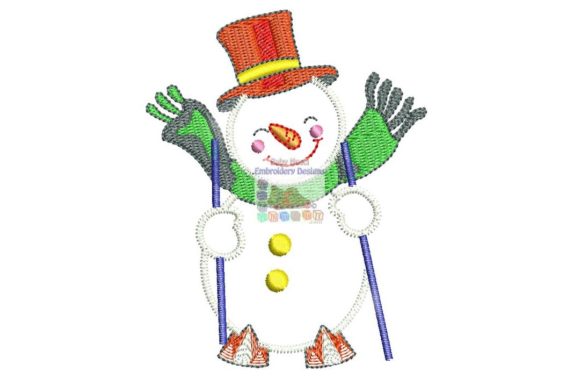
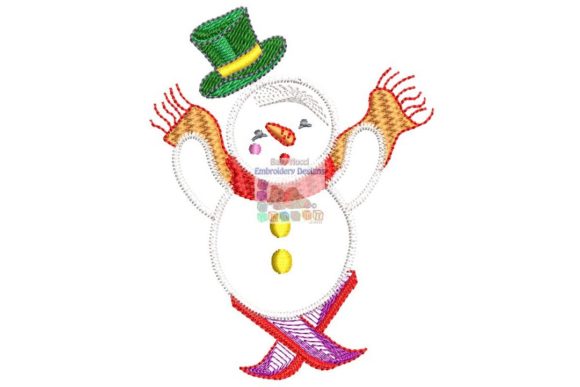
When you first open the file for Snowman Ski Fall, the immediate feeling is one of playful adventure. The description notes that the snowman is looking for adventures, and that energy translates perfectly into the visual layout. It isn't just a static winter icon; there is a sense of motion that suggests the character is mid-ski or perhaps tumbling down a gentle slope. This dynamic pose is crucial because it breaks away from the stiff, traditional snowman poses we often see on mass-produced holiday items.
The visual personality is warm and inviting without being overly cutesy. For designers targeting boutique clients or Etsy shops, this distinction matters. You want a design that feels handmade and thoughtful, not like a clip-art stamp. The shape of the figure allows for excellent negative space management, which is a huge plus when planning the stitch density. It creates a natural rhythm that guides the eye across the design, making it an ideal candidate for custom apparel where you need the artwork to stand out against fabric texture.
Real-Life Application: From Digital File to Finished Product
Let's imagine a real scenario. You are preparing for the holiday rush and have a client who wants a personalized gift for their family. They specifically asked for something unique for their matching family sweatshirts and maybe a few kitchen towels for the hostess gifts. You pull up Snowman Ski Fall as a potential centerpiece.
In this context, the design shines. On a heavy cotton fleece sweatshirt, the contours of the snowman would hold up well, creating a tactile, high-quality finish that customers love to touch. The design is versatile enough to work on various fabrics, including towels and jumpers, as suggested by the product details. However, the success of the final product depends heavily on how you execute the stitching.
Consider a tote bag project. If you use this as a central motif on a canvas tote, the adventurous theme adds a story element that elevates a standard accessory. Instead of just a bag, it becomes a statement piece about enjoying the season. Similarly, for baby items like a soft blanket or a onesie, the rounded shapes of the snowman ensure there are no harsh angles that might irritate sensitive skin. This versatility makes it a strong asset for a small business owner looking to diversify their inventory with holiday embroidery themes.
Technical Performance and Stitch Density
From a technical standpoint, any experienced embroiderer knows that the devil is in the details. When evaluating Snowman Ski Fall, we must look at how different stitch types interact. The design likely utilizes a combination of satin stitches for outlines and fill stitches for the body, which provides structure. However, the key to a professional finish lies in managing the stitch density.
If the design includes detailed elements like ski poles or facial features, these areas require careful attention. In a commercial embroidery setting, you cannot afford puckering or thread breaks. The design needs to be balanced so that the fill stitch areas do not become too dense, which can make the fabric feel stiff and unnatural. Conversely, if the design relies too much on running stitch for large areas, it might lack the durability needed for frequent washing.
I recommend paying close attention to the transition points between colors. A well-digitized file will handle color changes smoothly, minimizing the number of trims required. This reduces machine downtime and ensures a cleaner look on the finished garment. For those working with embroidery files for the first time, understanding these nuances is essential to maintaining brand consistency and customer trust.
Where to Exercise Caution
While Snowman Ski Fall is a strong contender, it is not a one-size-fits-all solution. There are specific scenarios where this design might struggle. For instance, attempting to stitch this on a very small hoop size could result in lost details. If the design includes intricate elements near the edges, a small hoop might crop them out or cause distortion due to the tight tension required.
Fabric choice is another critical factor. Textured fabrics like thick terry cloth or loose-weave linens can sometimes hide the finer details of an embroidery design. Additionally, stretchy fabrics like jersey or spandex blends require extra care. Without proper stabilizer usage, the movement of the fabric during stitching can lead to misalignment, ruining the finished product. Dark fabrics present their own challenges; if the design relies on light threads for contrast, you may need to add a underlay or adjust the thread palette to ensure visibility.
Curved surfaces, such as baseball caps, also demand scrutiny. While the design might look great flat, transferring it onto a curved crown requires precise digitizing to account for the distortion. If the original file wasn't optimized for curvature, the snowman might appear stretched or warped on a hat. Always test these applications before committing to a bulk order for a craft fair or boutique launch.
Impact on Brand Value and Customer Perception
In the world of handmade goods and Etsy sellers, the quality of the embroidery speaks volumes about your professionalism. A poorly stitched design can undermine the value of even the most expensive materials. Snowman Ski Fall, when executed correctly, enhances the perceived value of your products. It signals to the buyer that you care about detail and quality.
This design has the potential to boost buyer engagement. Customers are drawn to designs that tell a story. The "adventure" theme of the snowman resonates with families looking for meaningful gifts. Whether it is used for a personalized gift or as part of a small shop product line, the design adds a layer of charm that generic snowmen lack. It helps differentiate your brand in a crowded marketplace.
Furthermore, the design's adaptability supports consistent branding. You can use it across various mediums—tote bags, aprons, pillow covers, and more—creating a cohesive look for your entire collection. This consistency builds recognition and loyalty among your clientele. When customers see the same high-quality aesthetic on multiple items, they are more likely to return for future purchases.
Practical Notes for the Design Studio
Before you start stitching, there are several steps you must take to ensure success. First and foremost, always test the design on scrap fabric that matches your intended project material. This allows you to check the thread color contrast and observe how the stitch density affects the fabric's drape. Do not skip this step, as it can save you from costly mistakes later.
Review the stitch count and file formats to ensure compatibility with your machine. If the specifications are not clearly provided in the product listing, reach out to the creator or check the documentation carefully. Confirm the recommended hoop size and ensure you have the correct stabilizer on hand. For heavy fabrics, a cut-away stabilizer might be necessary, while tear-away could suffice for lighter materials.
Inspect small details closely. Zoom in on the digital preview to see if any lines are too thin or if any elements are too close together, which could cause thread bunching. Testing the design in black and white mockups can also help you visualize how the design will look without the distraction of color. Finally, verify the licensing terms. Ensure you have the rights to sell finished items made with the design if you plan to use it for commercial projects.
By taking these practical steps, you transform Snowman Ski Fall from a simple digital file into a valuable asset for your creative business. It is a design that offers both charm and functionality, provided you respect the technical requirements of the medium. With careful execution, this snowman can become a beloved addition to your holiday collection, bringing joy to recipients and satisfaction to your workflow.