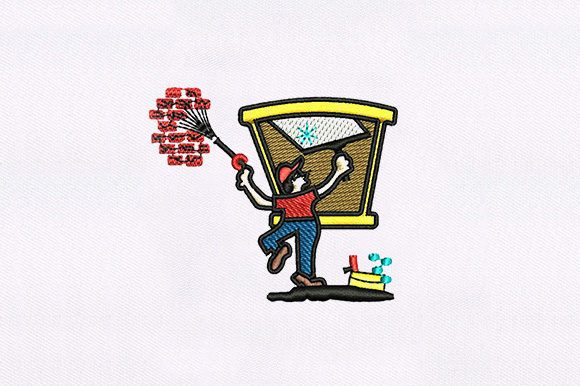
Cleaner Boy Machine Design Review
As an experienced embroidery designer who has spent countless weekends setting up booths at local craft fairs, I know that the difference between a product that sits on a table and one that sells out in minutes often comes down to the design itself. Today, I am reviewing the Cleaner Boy Machine Design with a critical eye, imagining how it will perform when turned into real-world products for handmade markets. The description promises that this "working boy" will add a unique accent to your creations and mentions multiple embroidery floss options. This sounds promising, but let's dig deeper into what this actually means for your business.
First Impressions: From Digital File to Physical Product
The title alone, Cleaner Boy Machine Design, immediately suggests a playful, perhaps slightly rustic or farmhouse aesthetic. In the world of craft fair product displays, first impressions are everything. When customers walk past your booth, they are scanning for things that feel personal, charming, and high-quality. A design featuring a "working boy" implies utility mixed with personality. It feels like a design that could easily fit into a collection of home goods, kitchen accessories, or even workwear.
For an Etsy seller or boutique maker, the vibe is crucial. Does it feel too childish? Too serious? Based on the description, this design seems to strike a balance. It is not overly ornate, which suggests it will work well as an accent rather than a massive, overwhelming statement piece. This versatility is exactly what you need when you are trying to create a cohesive line of handmade product items. Whether you are selling tote bags, aprons, or tea towels, a design that says "working boy" adds a touch of narrative to the item without screaming for attention.
Where This Design Shines on Market Products
Let's visualize your display table. You have rows of embroidered tote bags, hanging aprons, neatly folded tea towels, and small pouches. Where does the Cleaner Boy Machine Design stand out?
- Tote Bag Design: This is arguably the best use case. A small, well-placed embroidery file on the front pocket or the side of a canvas tote bag creates a perfect focal point. It transforms a plain bag into a characterful accessory that shoppers want to carry. The "working boy" theme resonates perfectly with the utilitarian nature of a tote.
- Apron Embroidery: For the home cook or the DIY enthusiast, an apron is a staple. Placing this design on the bib area or the lower skirt of the apron adds a whimsical touch. It tells a story about labor and care, which aligns beautifully with the Cleaning aspect mentioned in the product category.
- Tea Towel Embroidery: Kitchen linens are high-margin items. This design works exceptionally well here because it is likely compact enough to look neat on a standard towel without looking lost. It serves as a great conversation starter for buyers who love farmhouse decor.
- Embroidered Patch: If you sell patches, this design is gold. Patches allow for a different texture and can be sold separately or attached to hats and jackets. A "working boy" motif makes for a fun, collectible patch that fits into modern streetwear trends.
- Fabric Pouches and Pillow Covers: These smaller items often get overlooked, but they are excellent for filling gaps in your inventory. A small pouch with this design makes for a perfect gift set addition, while a pillow cover offers a larger canvas for a more detailed presentation.
Production Practicality and Batch Selling
When running a small shop product business, efficiency is key. Can you produce this design quickly? The description notes that the design comes with multiple embroidery floss options, which suggests flexibility in thread colors. This is a huge plus for commercial embroidery production because it allows you to adapt the color palette to match different fabric tones.
However, before you commit to a batch run, you must consider the stitch density. Is the design simple enough to hoop and stitch rapidly, or does it require intricate fill stitches that slow down your machine? For a weekend craft fair, you need designs that are repeatable. If the Cleaner Boy Machine Design has large areas of solid stitching, ensure your stabilizer choice can support the weight of the threads without puckering the fabric. A puckered design looks amateurish and will hurt your sales.
Photography for online listings is another critical factor. How does this design translate to a flat lay or a model shot? Designs with clear outlines and distinct shapes photograph better than those with very fine, delicate lines that might blur in a digital image. If the design relies on tiny details to make sense, it might lose its impact in a thumbnail view on Etsy or Instagram.
Crucial Considerations for Quality Control
As a designer, my advice is always to test before you sell. Here are some specific technical checks you must perform with the Cleaner Boy Machine Design:
- Check Thread Contrast: Ensure the chosen thread colors pop against your fabric. On dark fabrics, light threads are essential, and vice versa. Poor contrast can make the "boy" figure look muddy.
- Review Spacing and Hoop Size: Confirm the recommended hoop size for this file. If the design is too large for a standard 4x4 hoop, you may need to split the design, which can ruin the flow of the artwork. Always verify if the design is digitized as a single file or requires splitting.
- Inspect Stitch Density: Look closely at the dense stitch areas. High density can cause the fabric to pucker or the needle to break. Use the right stabilizer—cut-away for stretchy fabrics and tear-away for stable wovens—to maintain the integrity of the finish.
- Test on Scrap Fabric: Never skip this step. Stitch the design on a scrap of the exact fabric you plan to sell. Check for skipped stitches, thread breaks, or any distortion in the image.
- Verify Commercial Licensing: Before you start mass-producing finished product items to sell, double-check the license terms of the digital embroidery file. Some licenses restrict commercial use or limit the number of units you can sell.
Maximizing Visual Appeal and Brand Consistency
The ultimate goal of using the Cleaner Boy Machine Design is to build a brand that customers trust. A consistent, high-quality look across all your items—from the printable mockup images to the actual physical goods—creates a professional image. When a customer sees that your embroidery is clean, your thread choices are deliberate, and your design placement is thoughtful, they are willing to pay a premium price.
This design has the potential to be a standout piece in your lineup because it combines humor, utility, and charm. It appeals to the buyer who appreciates handmade quality and wants something with a bit of character. Whether you are creating a market bag for a grocery haul or a gift for a friend who loves cleaning, the "working boy" persona connects emotionally.
In conclusion, the Cleaner Boy Machine Design appears to be a versatile asset for any creative entrepreneur. It offers the right mix of personality and practicality for a wide range of products. By paying attention to the technical details like stitch density, fabric texture, and stabilizer selection, you can turn this digital file into a best-selling handmade product that stands out in a crowded marketplace. Just remember to test thoroughly and respect the licensing terms, and you will be well on your way to a successful craft fair season.