Cute Baby Animal Dolphin Review for Real Projects
I have spent years stitching, selling, and critiquing machine embroidery designs, and I know that a pretty image on a screen does not always translate to a high-quality finished product. When I first opened the file for Cute Baby Animal Dolphin, my initial reaction was one of genuine delight. The playful nature of the subject matter immediately suggests a specific market: children's wear, nursery decor, and beach-themed accessories. However, as a professional designer, my job is to look past the cute factor and evaluate how this design actually performs under the needle.
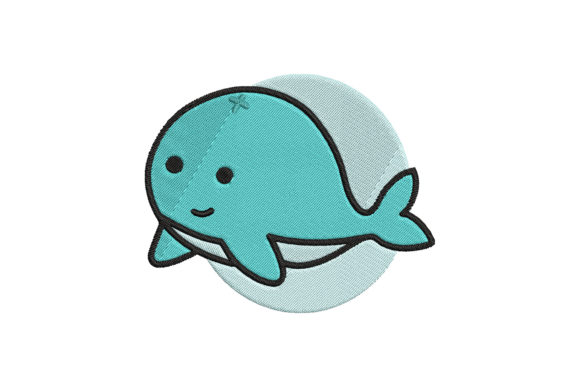
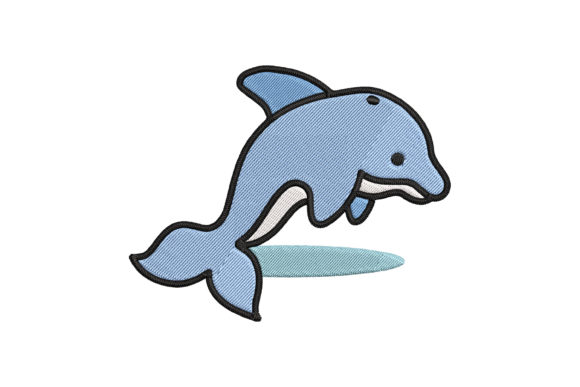
The Cute Baby Animal Dolphin captures a whimsical mood perfectly. It feels like a character from a storybook, designed to evoke joy and innocence. For a small business owner or an Etsy seller looking to create personalized gifts, this design offers a strong visual hook. It is not just a generic fish; it has personality. This personality is what drives sales in the handmade sector. Customers do not just buy a towel; they buy the feeling of a fun day at the pool, and this design encapsulates that sentiment effectively.
Real-World Application: The Tote Bag Scenario
Let me walk you through a practical scenario. Imagine you are preparing inventory for a summer craft fair. You want to create custom embroidered tote bags for parents who love the ocean. You decide to use the Cute Baby Animal Dolphin design. Here is how it translates from digital file to physical product.
When stitched onto a sturdy canvas tote bag, the design shines. The open space around the dolphin allows the eye to rest, making the central figure pop. If you use bright, saturated thread colors, the playful vibe is amplified. However, if you opt for a monochromatic scheme using navy blue thread on a white bag, the design takes on a more sophisticated, boutique feel. This versatility is rare in digital assets. Many designs are too rigid, but this one adapts well to different branding strategies.
For a sweatshirt, the application changes slightly. The softness of fleece requires a different approach to stabilizer usage. The Cute Baby Animal Dolphin works beautifully here because the curves of the dolphin mimic the drape of the fabric. It creates a seamless integration between the art and the garment. Parents would likely appreciate seeing this on a baby onesie or a toddler's hoodie. It is exactly the kind of detail that makes a gift feel special and thoughtfully curated.
Where This Design Excels
- Baby Embroidery: The soft, rounded lines are perfect for delicate fabrics used in baby clothes. It avoids harsh angles that might look aggressive on infant wear.
- Beachwear and Swim Accessories: As suggested in the product description, this design fits naturally on towels and swim caps. The theme aligns perfectly with seasonal trends.
- Home Decor: Pillow covers and tea towels benefit from the charm of this motif. It adds a touch of whimsy to a kitchen or nursery without overwhelming the space.
- Commercial Embroidery: For shops creating branded merchandise, this design serves as a great logo element or a secondary decorative accent that builds brand recognition.
Technical Considerations and Potential Pitfalls
While the aesthetic appeal is undeniable, every experienced embroiderer knows that execution is everything. There are specific areas where Cute Baby Animal Dolphin requires careful attention to ensure the final result meets professional standards.
Hoop Size and Detail: If you attempt to stitch this design in a very small hoop, such as a 4x4 inch frame, you may run into issues with the finer details. The eyes and the tail fin might become cluttered if the scale is reduced too much. Always check the recommended hoop size before starting. If the design includes intricate satin stitch work, shrinking it down can cause the threads to bunch up, ruining the clean look of the finish.
Fabric Texture and Stability: This design is best suited for stable fabrics. While it looks great on cotton or canvas, applying it to highly textured materials like heavy waffle-weave towels or loose-knit sweaters can be challenging. The stitches may sink into the texture, losing definition. Similarly, stretchy fabrics require a robust stabilizer to prevent puckering. Without proper support, the fill stitch areas could distort the fabric grain, making the dolphin look warped.
Dark Fabrics and Thread Contrast: One common mistake I see with cute animal designs is poor color contrast. If you plan to stitch this on a dark background, you must select thread colors that offer sufficient visibility. A light-colored dolphin on a black shirt might get lost unless you use a high-density underlay or a contrasting outline. Always test your thread colors against the actual fabric before committing to a full production run.
Design Assets for Digital Sellers
If you are a digital product seller offering printable mockups, this design is a goldmine. The clean lines and clear subject matter make it easy to visualize in various contexts. You can create listings that show the Cute Baby Animal Dolphin on a variety of products, from aprons to patches. This helps buyers understand the potential of the embroidery file. Just remember to include disclaimers about testing on scrap fabric, as real-world results can vary based on machine tension and operator skill.
Professional Notes for the Maker
Before you rush to start your next project, consider these practical steps to ensure success with Cute Baby Animal Dolphin.
- Test First: Never skip the test run. Stitch the design on a scrap piece of the same fabric you intend to use. This reveals issues with density, pull compensation, and thread breaks before you ruin a customer's item.
- Check Density: Review the stitch density of the fill areas. If the design is too dense, it will create a stiff, board-like texture that is uncomfortable for apparel. If it is too sparse, the fabric may show through. Adjustments might be needed depending on your machine's capabilities.
- Verify Licensing: If you plan to sell finished items, confirm the licensing terms of the digital embroidery file. Some licenses allow personal use only, while others permit commercial production. Ignoring this can lead to legal trouble for your craft business.
- Mockup Validation: Create black and white mockups to check the silhouette. Sometimes, color distracts from the shape. Ensuring the outline is clear in grayscale helps guarantee the design remains recognizable regardless of thread choice.
- Stabilizer Selection: Match the stabilizer to the fabric weight. A lightweight cut-away is often best for baby clothes, while a tear-away might suffice for stiffer home decor items.
Final Verdict on Visual Appeal and Value
The Cute Baby Animal Dolphin brings a sense of fun and professionalism to any embroidery project. It strikes a balance between being simple enough for beginners to stitch and detailed enough to satisfy seasoned designers. Its ability to adapt to various products—from tote bag designs to holiday embroidery—makes it a versatile asset for any creator.
When customers receive a finished product featuring this design, they perceive value. The clarity of the stitches and the charm of the subject matter signal that care was taken in the creation process. This builds trust and encourages repeat purchases. Whether you are a hobbyist making a gift for a niece or a boutique owner stocking shelves for the season, this design delivers on its promise.
However, remember that the tool is only as good as the hand that uses it. Proper preparation, correct material selection, and a keen eye for detail are essential. By treating Cute Baby Animal Dolphin with the respect it deserves during the digitizing and stitching phases, you will produce a handmade product that stands out in a crowded marketplace. It is a design that invites creativity, supports your brand identity, and brings a smile to anyone who sees it stitched into existence.