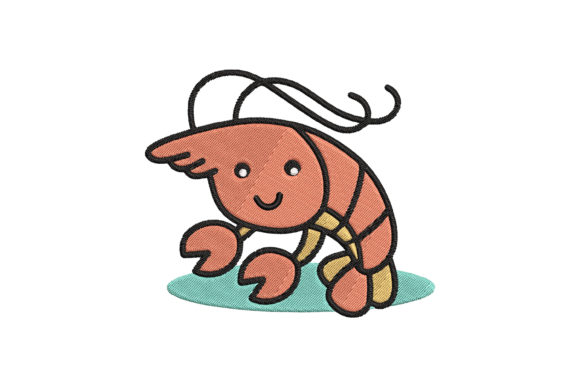
Cute Sea Animal Shrimp Design Review
As an experienced embroidery designer who has spent years refining digital assets for commercial use, I approach every new file with a critical eye. Today, we are reviewing the Cute Sea Animal Shrimp, a design that promises to add a playful accent to various fabric applications. For small business owners, Etsy sellers, and apparel decorators, selecting the right embroidery file is not just about aesthetics; it is about brand integrity, production efficiency, and customer satisfaction. This review evaluates how this specific design performs when translated from a digital screen to physical merchandise like patches, uniforms, and branded accessories.
First Impressions: Playful Yet Professional
The title "Cute Sea Animal Shrimp" immediately sets a tone of approachability and charm. In the world of small business merch, personality is currency. The description suggests this design is versatile enough for tablecloths, napkins, aprons, and restaurant work outfits. My initial assessment is that this design leans heavily into a friendly, handmade aesthetic rather than a rigid corporate style. It feels perfect for bakeries, cafes, boutique florists, or pet brands that want to convey warmth and creativity.
However, "cute" can sometimes border on childish if the stitch density is too high or the lines are too thin. For a professional application, such as a staff uniform or a premium patch, the design must maintain its clarity without looking messy. The potential for this design lies in its ability to serve as a visual hook—a memorable icon that customers associate with your specific shop or product line. When used correctly, Cute Sea Animal Shrimp transforms a standard item into a unique piece of branded storytelling.
Real-World Business Applications
To truly understand the value of this asset, we must look at where it shines in a commercial setting. One of the most promising uses for this design is as an embroidered patch. Small businesses often need durable logos that can be sewn onto tote bags, denim jackets, or caps. If the Cute Sea Animal Shrimp holds up well at smaller scales, it could become a signature element on your custom apparel collection.
Consider a local café owner looking to upgrade their kitchen staff's attire. Instead of a generic logo, adding this shrimp motif to the chest pocket of an apron creates a cohesive, thematic look. Similarly, for an online seller using printable mockups, this design serves as an excellent design asset to showcase on product pages. Imagine a bakery offering embroidered tote bags featuring this shrimp alongside their fresh goods; it elevates the perceived value of the bag and encourages customers to carry your brand everywhere they go.
This design also excels as a subtle detail on caps or sleeves. A tiny, well-placed shrimp on the side of a cap or the cuff of a work shirt adds a layer of personality without overwhelming the garment. For crafters creating handmade products, this machine embroidery design offers a way to add a professional finish to items that might otherwise feel unfinished. Whether it is used on a restaurant work outfit or a customer gift, the goal is to create a finished product that feels intentional and high-quality.
Strategic Placement and Limitations
While the versatility is appealing, there are areas where caution is required. Not all surfaces are created equal. Placing a detailed design on a curved surface, such as the front of a baseball cap, requires careful testing. If the stitch density is too high, the fabric may pucker, ruining the clean look of the Cute Sea Animal Shrimp.
Small patch sizes present another challenge. If you plan to use this design for a keychain or a very small badge, the intricate details might get lost or merge together during stitching. Similarly, dark uniforms require a high thread count underlay to prevent the fabric color from bleeding through the design. If the thread colors chosen do not offer sufficient contrast against a dark background, the design will lose its impact.
Fabric texture is also a critical factor. Embroidering on a smooth, tightly woven fabric yields the best results. On textured materials like heavy canvas or loose-knit fleece, the stitches may not lay flat, leading to a less professional appearance. Additionally, items that undergo frequent washing, such as restaurant aprons, need to be tested for durability. Over time, excessive stitching can weaken the fabric, so balancing beauty with structural integrity is essential.
Impact on Brand Identity and Customer Trust
In the competitive landscape of handmade products and local services, visual consistency is key. A well-executed commercial embroidery project signals to customers that you care about quality. When a client sees a crisp, clean embroidered patch featuring the Cute Sea Animal Shrimp, they subconsciously associate that level of craftsmanship with your overall service or product.
This design can significantly enhance brand identity by providing a unique visual anchor. Unlike generic clip art, a custom-designed embroidery file helps differentiate your business. It fosters recognition and trust because it shows a commitment to detail. However, if the design is poorly executed—skewed, low resolution, or mismatched in color—it can have the opposite effect, making the brand appear amateurish. Therefore, ensuring that the digital embroidery file is optimized for your specific production needs is vital for maintaining a professional image.
Essential Designer Notes for Production
Before you commit to a large run of branded merchandise, follow these practical steps to ensure success:
- Test in Black and White: Convert the design to grayscale first. This helps you identify if the stitch density is too heavy or if the outlines are too thin to hold up in production.
- Check Small Scale Performance: Resize the design to the intended final size (e.g., 2 inches) to see if details remain clear. If the shrimp loses definition, you may need to simplify the digitizing.
- Review Thread Color Contrast: Ensure the chosen threads stand out against your target fabric. High contrast ensures the design pops and remains legible.
- Inspect Spacing and Hoop Size: Verify that the design fits within your machine's hoop limits and allows for adequate spacing between elements to prevent thread breaks.
- Test on Real Fabric: Never skip the test run. Use the actual fabric and stabilizer combination you plan to use for the final product to check for puckering or distortion.
- Create a Mockup: Use a printable mockup to show clients what the final result will look like before you start stitching. This manages expectations and speeds up approval.
- Compare Design Assets: Place this design next to your other branding elements to ensure visual consistency across your entire marketing mix.
- Confirm Licensing: Always verify the commercial licensing terms. Ensure you have the legal right to use the Cute Sea Animal Shrimp on items you intend to sell for profit.
The Cute Sea Animal Shrimp holds significant promise for businesses looking to add a touch of whimsy and professionalism to their offerings. By understanding its strengths and limitations, you can leverage this design to create memorable custom apparel and branded product labels that resonate with your audience. Remember, the success of any embroidery project depends on the preparation and attention to detail before the needle even touches the fabric.