Wheelchair Basketball Player Design Review
As a professional embroidery designer who has spent years refining designs for commercial use, I approach every new asset with a critical eye. When evaluating the Wheelchair Basketball Player design for small business merchandise and branded patch applications, my goal is to determine its viability beyond simple decoration. This review focuses on how this machine embroidery design performs in real-world scenarios for apparel decorators, Etsy sellers, boutique owners, and crafters looking to elevate their product lines.
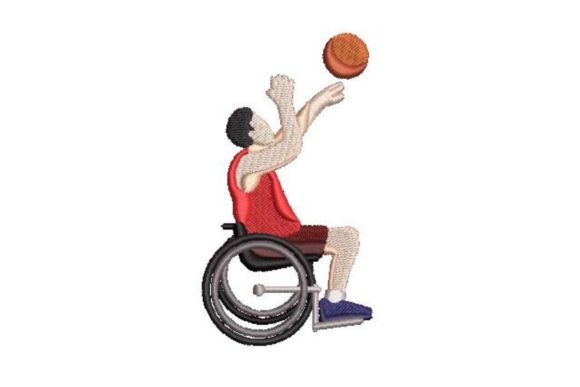
The first impression of Wheelchair Basketball Player suggests a blend of bold energy and supportive warmth. The description highlights the ability to support brave sportsmen by stitching this cute design onto sports equipment or bags. For a brand identity, this translates to a friendly yet spirited aesthetic. It feels less like a rigid corporate logo and more like a community-focused symbol. This makes it an excellent candidate for handmade brands, local bakeries wanting to show community spirit, or creative studios aiming to promote inclusivity through their custom apparel. The design promises to add a touch of personality that resonates emotionally with customers, which is crucial for building trust and engagement in the competitive small business market.
Real-World Application for Small Business Merch
In the realm of commercial embroidery, versatility is key. Imagine a local café or a florist shop wanting to launch a line of branded tote bags. The Wheelchair Basketball Player design could serve as a unique chest logo accent or a larger statement piece on the side of a sturdy canvas bag. Its dynamic nature works well for items that need to convey action and movement, making it perfect for event merch or promotional giveaways at charity runs and inclusive sports events.
For staff uniforms, this design offers a fresh alternative to traditional logos. Picture a team of baristas wearing aprons embroidered with this motif. It transforms standard work shirts into conversation starters, reinforcing the business's values of support and community. Similarly, for pet brands or bakery shops, using this as a product packaging accent can create a memorable unboxing experience. Customers appreciate when small businesses put thought into their branding assets, and a high-quality digital embroidery file allows for consistent reproduction across thousands of units.
The design also shines as an embroidered patch. Many small businesses prefer patches because they can be easily attached to various materials without re-stitching. A boutique owner could sell these patches separately or attach them to denim jackets and beanies as limited-edition drops. This flexibility increases the perceived value of the finished product, allowing you to offer premium pricing on your handmade goods. Whether applied to a cap front or used as a sleeve detail, the design adds a layer of visual interest that elevates the overall look of the garment.
Navigating Technical Challenges in Production
While the potential is high, an experienced designer must always consider the technical limitations of the medium. Not every surface is suitable for every stitch pattern. If you plan to use Wheelchair Basketball Player on small patch sizes, you must carefully inspect the spacing and detail density. Tiny lettering or intricate outlines can become muddy if the hoop size is too small or if the fabric texture is too coarse. For curved surfaces like caps, the design may require specific digitizing adjustments to ensure the curves of the basketball player do not distort the image.
Thread color contrast is another critical factor. On dark uniforms or heavy fabrics, light thread colors might get lost, reducing the impact of the design. You should test the design in black and white first to ensure the shapes remain distinct before committing to full-color production. Additionally, high stitch density can make certain areas stiff, which might be uncomfortable on items that require frequent washing, such as athletic wear or daily-use aprons. Always confirm the recommended stabilizer and hoop size for the specific fabric you are using to prevent puckering or distortion during the embroidery process.
It is also vital to check the actual file details provided with the purchase. The product description mentions multiple embroidery file formats but does not specify exact stitch counts or license terms. Before using this for commercial embroidery projects, you must verify the commercial licensing rights. Using a design without proper permission can lead to legal issues for your small business. Furthermore, reviewing the thread colors included in the file will help you match your brand palette accurately. If the design requires specific thread shades that do not align with your brand identity, you may need to adjust the colorway or choose a different asset.
Building Brand Identity Through Quality Embroidery
The choice of design significantly affects customer perception. A well-executed Wheelchair Basketball Player design signals professionalism and attention to detail. When a customer sees a crisp, clean embroidery on a tote bag or a cap, they associate that quality with the reliability of your business. Visual consistency is paramount; ensuring that every item produced matches the original mockup builds confidence in your brand.
This design can also foster deeper buyer engagement. By supporting a cause or highlighting an inspiring figure, your products tell a story. This emotional connection encourages repeat purchases and word-of-mouth referrals. For Etsy sellers and digital file buyers, having a versatile design asset like this can streamline your workflow. Instead of creating a new graphic for every collection, you can adapt this design for different seasons or campaigns, saving time while maintaining a cohesive look across your shop.
Essential Designer Notes for Production Success
- Create a Printable Mockup: Before sending anything to production, generate a realistic mockup to visualize the design on your specific product. This helps in client approval and prevents costly mistakes.
- Test on Real Fabric: Digital screens cannot replicate the feel of fabric texture. Always run a test stitch on the actual material you intend to use to check for stability and clarity.
- Inspect Spacing and Density: Look closely at the finished sample. Ensure there is enough space between elements so the design breathes and does not look cluttered.
- Verify Commercial Licensing: Confirm that your purchase includes the right to use the design on items you intend to sell. This protects your business from infringement claims.
- Compare Against Other Assets: See how this design sits alongside your existing logos and graphics to ensure a unified brand voice.
Ultimately, the decision to use Wheelchair Basketball Player depends on your specific business goals and the quality of the final output. With careful planning regarding hoop size, stabilizer usage, and thread selection, this design can become a cornerstone of your custom apparel line. Whether you are decorating hats for a local team or adding flair to your bakery's aprons, this machine embroidery design offers a powerful way to connect with your audience through the art of embroidery.